When designing a home security system, it is easy to get lost in the possibilities that come with high-tech outdoor cameras and night-vision perimeter monitors. Yet when an intruder targets a residence, they rarely focus on bypassing such high-tech devices. Instead, he looks for the path of least resistance.
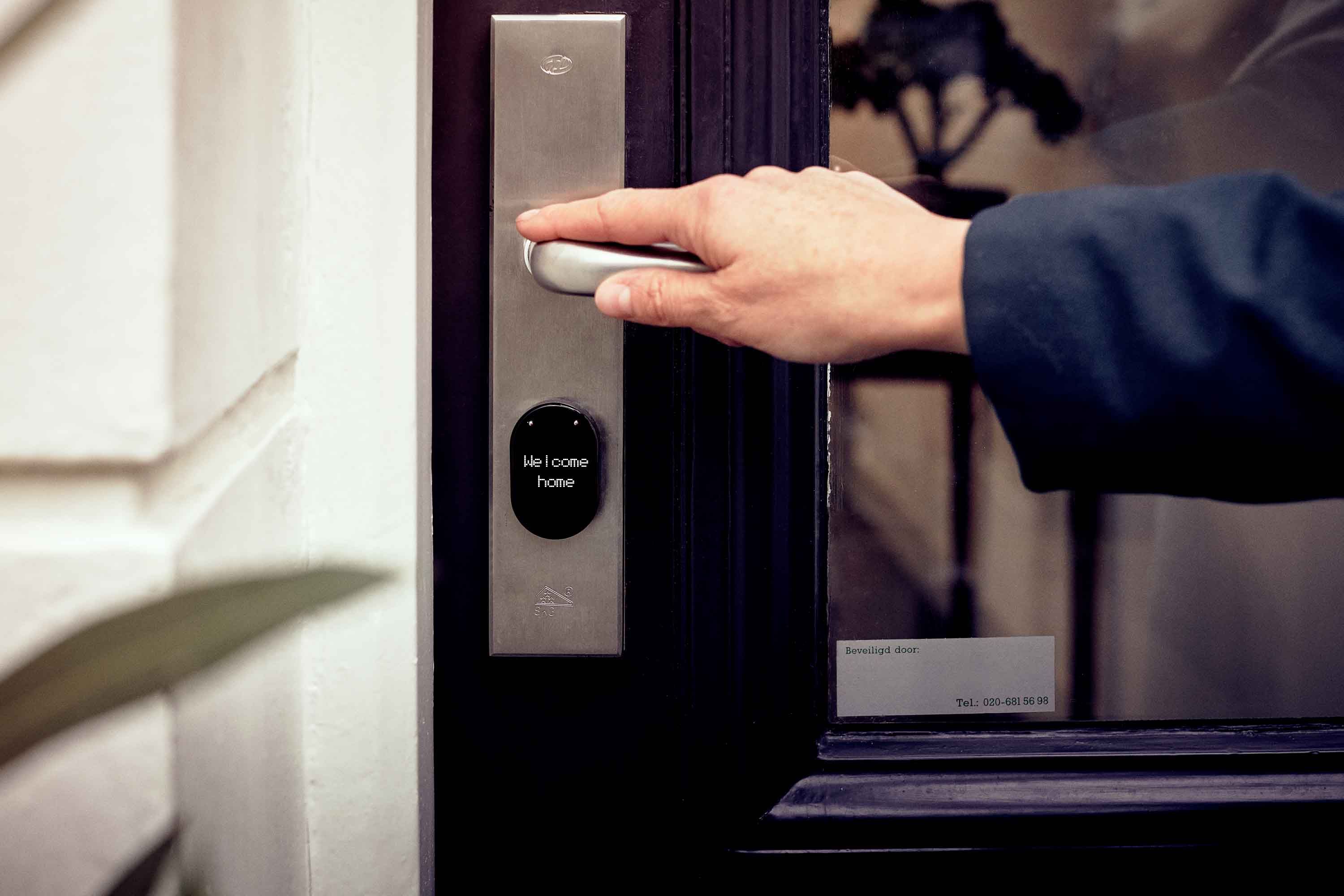
What most people don’t know is that burglars prefer to enter through first-floor windows and doors. Crime statistics prove it:
• 34% enter through the front door.
• 22% enter through the back door.
• 23% enter through a first-floor window.
Technology should never be ignored when designing a home security system. We have some amazing technologies capable of doing things we never even dreamed of decades ago. But before all the high-tech equipment, a homeowner should make sure to secure those first-floor windows and doors. It starts with auditing entry points specifically for security vulnerabilities.
A 5-Step Audit Process
When companies like Vivint professionally install home security systems, they do not just randomly place equipment. They do a comprehensive site assessment first. Their assessment is similar to your home security audit. In terms of auditing your home’s entry points, Vivint recommends following a five-step process.
1. Audit Primary Doors
A home’s primary doors are usually the front and back doors. If you have a door that leads from the basement out to the yard, consider it a primary door as well. Auditing these doors translates into performing a comprehensive inspection of each one. Here is what you should be looking at:
-
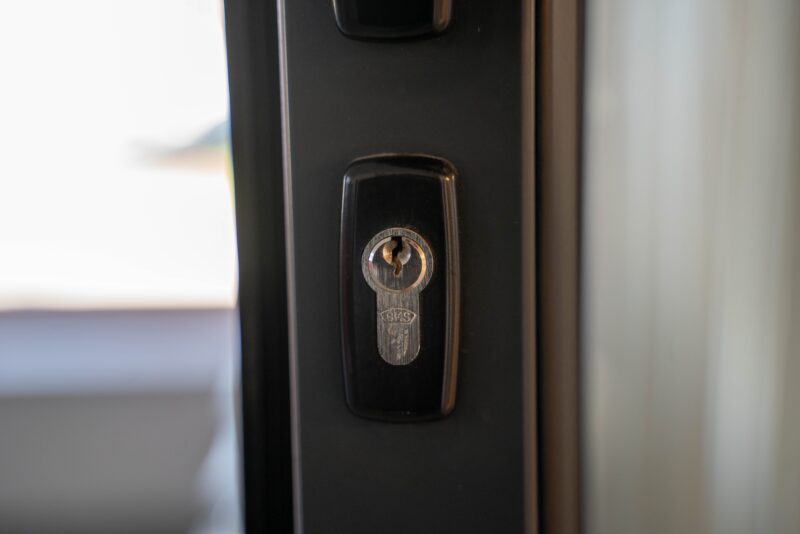
Each door should be equipped with a grade 1 or grade 2 deadbolt lock.
-
The metal strike plate anchored to each doorframe should be mounted with 3½-inch hardened steel screws.
-
Any decorative glass in the doors should be at least 36 inches from the lock, thus preventing a burglar from breaking the glass and unlocking the door manually.
A thorough inspection of your primary entry point might reveal the need to make some changes. Although the changes will cost time and money, they are well worth the investment in terms of preventing unauthorized intrusion.
2. Examine First-Floor Windows and Sliders
Next up are your first-floor windows and any sliding glass patio doors you might have. They are prime targets because they offer clear visibility into your home. Burglars also know that factory locks tend to be lightweight and not very effective. Here’s what you should know about this portion of the audit:
• Make sure all windows lock securely. If necessary, add secondary sash locks that make windows tougher to open.
• Be sure the latch mechanism on your sliding glass door is strong and securely installed. Also, insert a security bar in the bottom track to prevent the door from being forced open.
• Burglars can use shrubs and bushes in front of windows for cover. Keep them neat and trimmed, preserving sight lines between your house and the street.
It is important to note that the crescent locks most window manufacturers install are not designed for security. They are designed for weatherproofing. Adding extra sash locks can make those first-floor windows much tougher to breach.
3. Inspect Garage Doors and Service Entrances
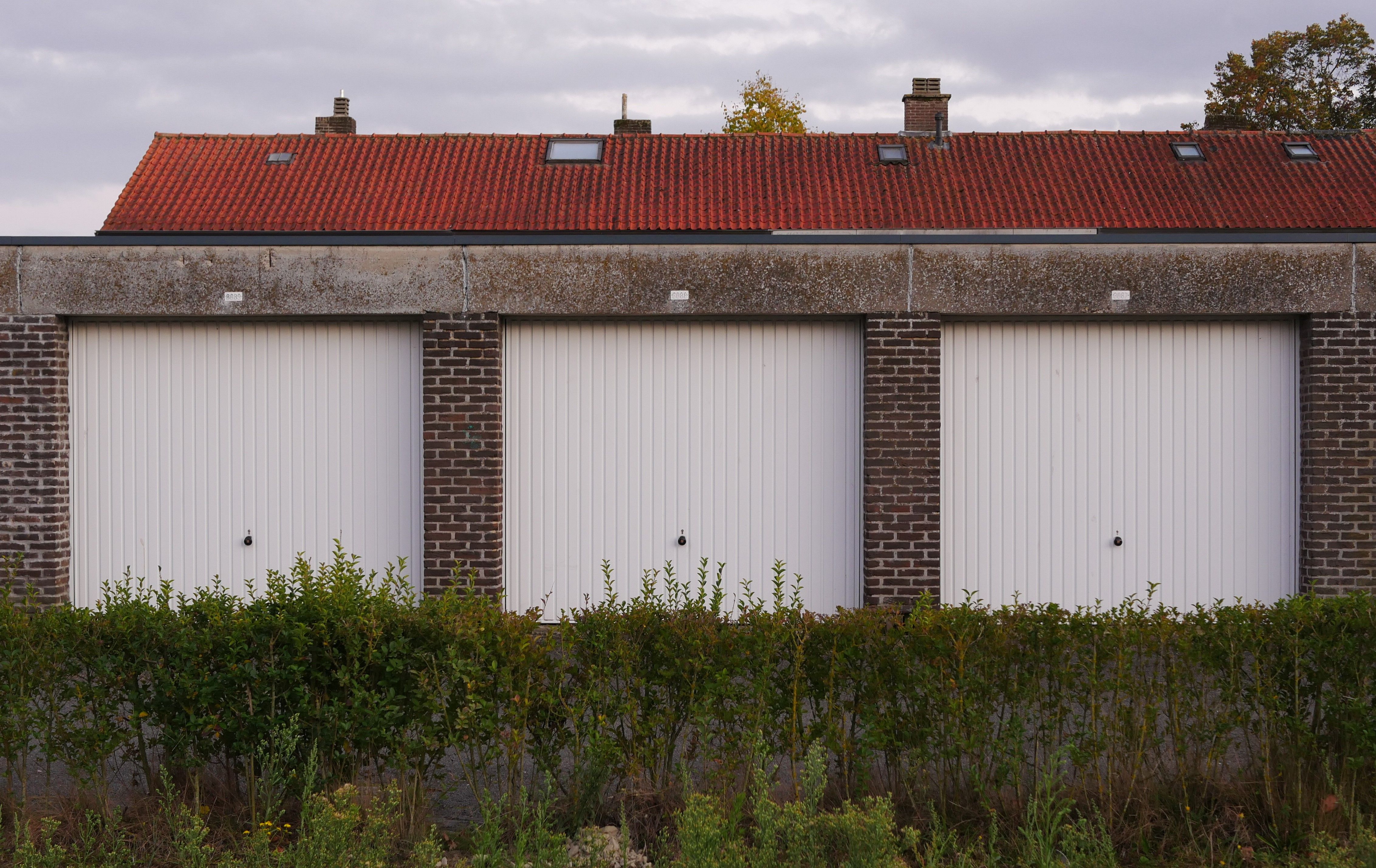
Your entry point audit continues with the garage and any service entrances you might have. Understand that attached garages are a major security risk because an intruder who gains access can work their way into the house out of sight from neighbors and passersby.
If your garage door opener is equipped with an emergency release overhead cord, disable it and secure the release mechanism with a zip tie. Otherwise, intruders can use a coat hanger to pull the emergency release lever and gain access.
You should also treat the pedestrian door, the door leading from the garage into the house, as an exterior door. It should be fitted with a heavy-duty deadbolt lock and kept always locked. If it is a hollow door, replace it with a solid-core steel or wood model.
Finally, never leave a garage door remote sitting on the front dash of a car parked in the driveway. If you keep a remote in the car, store it in the center console or in the glove box.
4. Assess Lighting and Perimeter Sight Lines
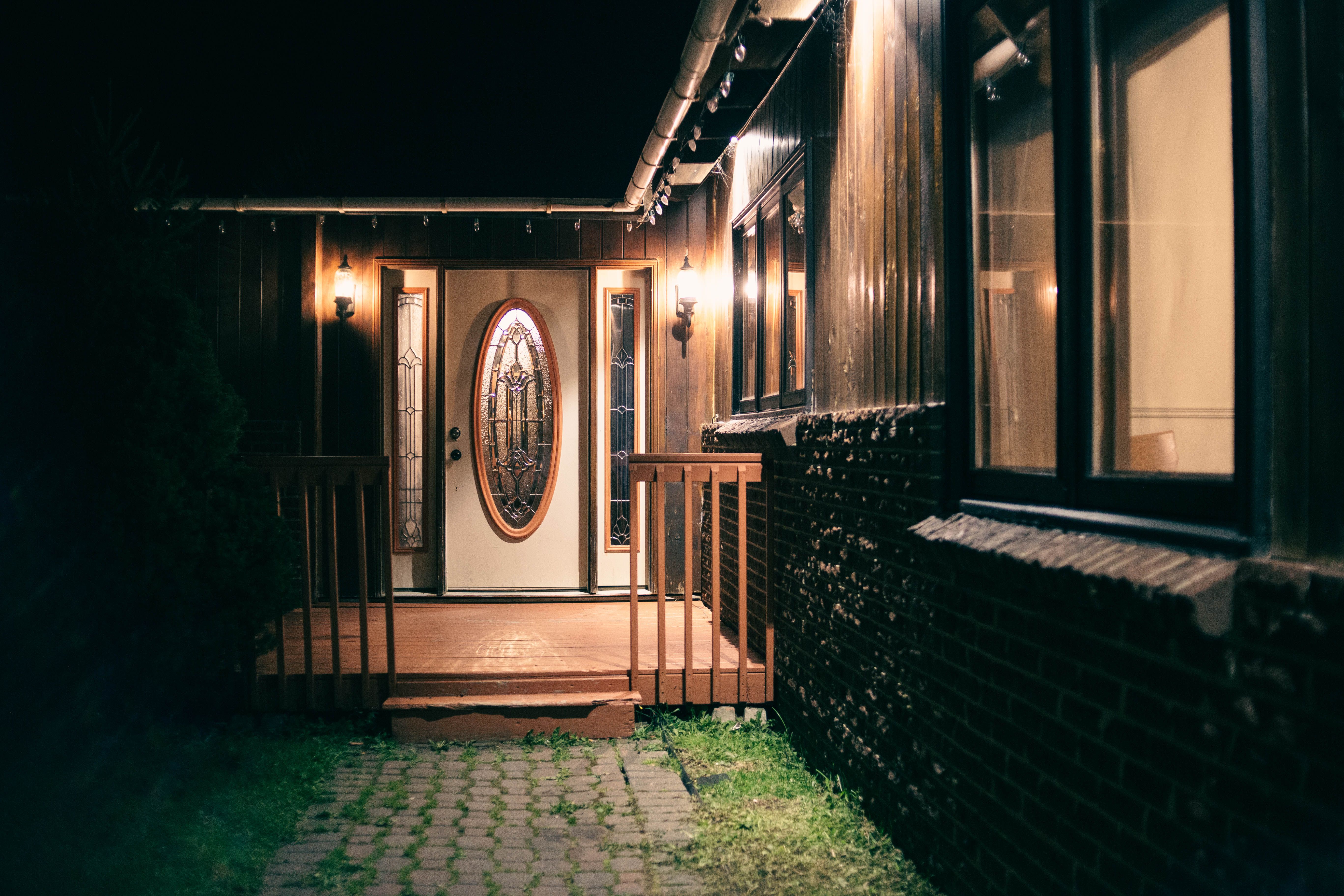
Cover is an intruder’s best friend. At night, this means darkness. So the next step in the audit process is assessing exterior lighting and perimeter sight lines. After dark, look at your front porch, the side yard, and the back patio. Are they well lit? If not, install appropriate lighting.
It’s a good idea to install motion-sensitive floodlights near all first-floor entrances as well. Sudden bright lighting can startle burglars just enough to scare them away.
5. Verify Baseline Security Coverage
The first four steps in the audit process will make you aware of the hardware and structural elements that keep your entry points secure. The final step is to assess how quickly an intrusion would be detected if any of these points were compromised. If you’re attempting to protect your home with no electronic home security, you are relying on your neighbors or someone inside your home to react in the event of an intrusion. That might not be the best way to go.
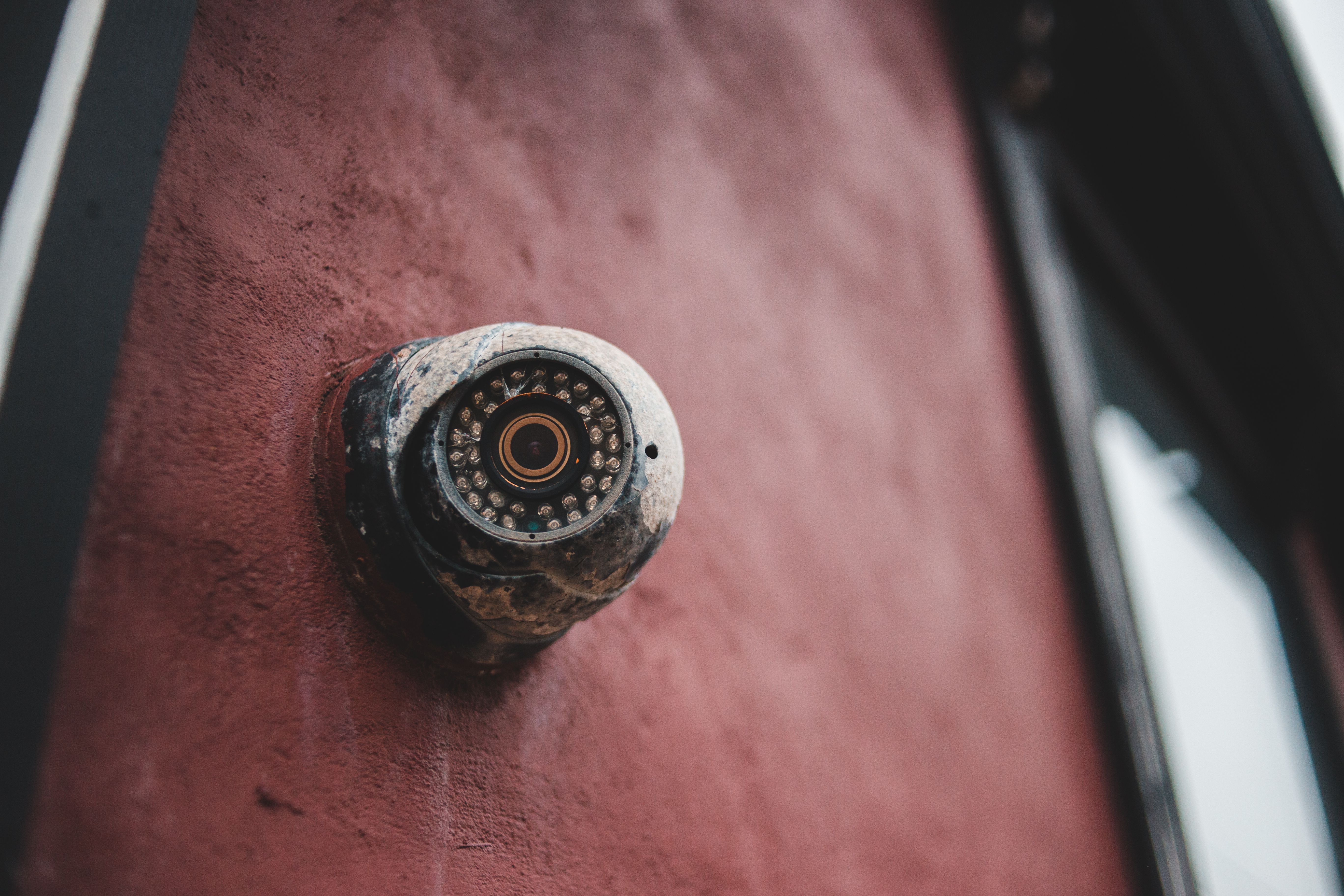
Electronic home security offers the advantage of monitoring whether you are home or not. You’ll get an alert should someone break in through a first-floor window or door. That is the kind of warning you need to protect yourself.
Strengthen the Perimeter First
Before you invest in an expensive home security system with all the bells and whistles, audit your home’s perimeter. Find out exactly what you need to secure first-floor entry points. Then build your security system from there.
Never forget that first-floor windows and doors are the most common entry points for burglars and home invaders. Your best strategy for keeping them away is to secure those entry points. Beef them up. Add some video cameras and monitor your system around the clock. Your chances of becoming a victim will go down.