
Retail moves quickly these days. Technology advances each year. Customer preferences change as well. Ongoing adaptation is crucial for maintaining competitiveness. Smart infrastructure helps stores compete by creating adaptable systems.
Understanding Smart Infrastructure
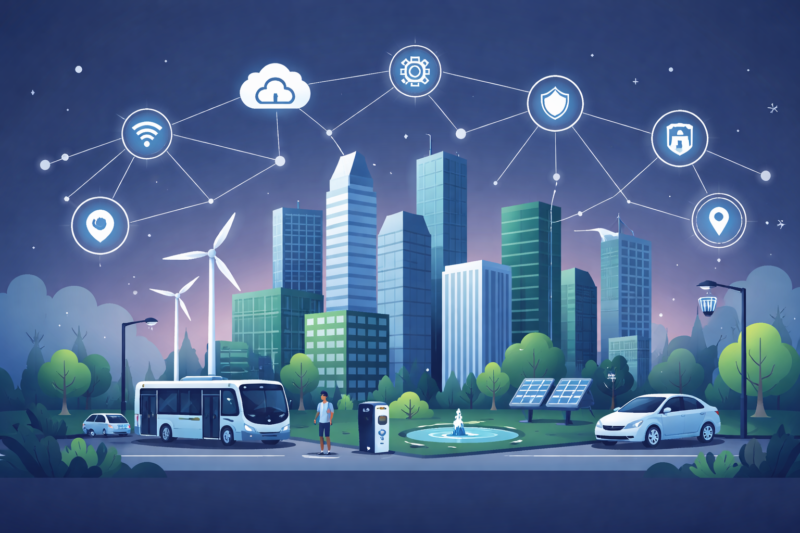
Smart infrastructure involves more than just investing in high-tech equipment. You’re essentially equipping your store with intelligence. Sensors, cameras, and devices all chat with each other, collecting info and helping you see the bigger picture as it happens. This is nothing like old-school retail where your inventory system didn’t know what your cash register was doing. Now everything talks. Your security footage actually helps you understand shopping patterns. Your shelves tell you when they’re running low. It all works together.
Building Blocks of Modern Retail Technology
Above all else, reliable internet is essential. Without good connectivity, forget about everything else. Then you add sensors and tracking devices around your store. These little helpers keep tabs on foot traffic, product levels, temperature, you name it. Cloud storage comes next. The cloud stores data for easy access. The space can be adjusted to fit what you need. There’s no need to continue investing in pricey servers that remain idle for significant periods. Payment tech has come a long way, too.
Today’s systems handle tap-to-pay, mobile wallets, and cryptocurrency if you’re into that. They’re faster than ever. And they feed you tons of useful information about what people buy and when.
Transforming Customer Experience Through Technology
Smart setups completely change the shopping game. Digital signs switch their messages depending on the time of day or who is walking by. Store apps send deals right when shoppers pass certain aisles. Self-checkout means no more long lines during the lunch rush. Customers today get annoyed easily by hassle. They want stuff fast, a quick checkout, and maybe some personalized ideas. Smart systems deal with all of this, so your staff can concentrate on helping people rather than counting stock.
What’s really neat is that these systems can find patterns that would normally be missed. Electronics might get really busy on Tuesday afternoons. Or perhaps people spend twice as long browsing when you play certain background music. Once you know these patterns, you can staff better, arrange products smarter, and basically run a tighter ship.
Data-Driven Decision Making in Retail

Modern retail is no longer based on instinct alone. Smart infrastructure turns data into a daily decision-making tool. Every interaction, whether it’s a purchase, a product viewed, or a path taken through the store – creates valuable information.
This data helps retailers understand what customers actually do, not just what they say. Over time, patterns emerge. You begin to see which products sell together, which displays attract attention, and which times generate the most revenue.
With this level of insight, decisions become more precise. Instead of guessing how much stock to order, systems can predict demand based on past behavior. Instead of scheduling staff evenly, managers can align shifts with real traffic patterns.
The real advantage is speed. Smart systems process data instantly, allowing retailers to react in real time. If a product suddenly gains popularity, shelves can be restocked quickly. If a promotion underperforms, it can be adjusted immediately.
This shift toward data-driven retail reduces waste, improves efficiency, and creates a more responsive business model that adapts as conditions change.
Operational Efficiency and Automation Benefits
Smart infrastructure doesn’t just improve customer experience—it transforms internal operations. Automation takes over repetitive tasks, allowing staff to focus on higher-value activities.
Examples of operational improvements include:
- Automated inventory management – real-time tracking prevents overstocking or shortages
- Predictive maintenance – systems detect issues before equipment fails
- Energy optimization – smart lighting and climate systems reduce costs
- Queue management – minimizes wait times and improves flow
These improvements lead to leaner operations. Businesses spend less time fixing problems and more time improving service.
Automation also reduces human error. When systems handle routine tasks, consistency improves across the board. This leads to better reliability, fewer disruptions, and a smoother day-to-day operation.
Retailers using connected technologies often see increased efficiency and reduced operational costs while maintaining quality .
Making the Transition Work
Don’t change too much too fast. Try to improve just one aspect. Maybe better inventory management or more streamlined customer experience. Make it work well, figure out what’s effective, then build on it. Baby steps beat giant leaps that make you stumble.
Blues IoT and similar companies offer IoT retail solutions that connect different store systems without tearing everything apart and starting over. Their platforms let retailers add smart features bit by bit, so the entire transformation stays manageable and doesn’t blow the budget.
Your team needs to get on board too. If people don’t know how to use new technology, it’s useless. Organize training and create quick-reference guides. Allow ample time for adjustment. Many excellent systems falter because staff feel overloaded and revert to previous methods.
Overcoming Challenges and Future Risks
While smart infrastructure offers many benefits, it also introduces challenges that retailers must address early. One of the most important concerns is data security. As more devices connect and share information, protecting customer data becomes critical.
Retailers also face integration challenges. Older systems may not easily connect with newer technologies, requiring careful planning and sometimes gradual replacement.
Cost can be another barrier. Initial investments in sensors, software, and training can be significant. However, starting small and scaling over time helps manage expenses effectively.
Another challenge is information overload. Smart systems generate large amounts of data, and without proper tools, it can become overwhelming. Retailers need clear strategies for analyzing and using this data effectively.
Despite these challenges, the long-term benefits outweigh the risks. Businesses that plan carefully and invest strategically can avoid common pitfalls while building a strong foundation for the future.
Conclusion
Getting your shop ready for what’s next is about more than just new gadgets. It’s important to have a sound strategy for linking up systems so they can handle tech changes and what customers are asking for. The retail world won’t stop changing.
Shoppers will want different things next year. Some startup will invent something that changes the game again. But stores that build smart infrastructure now set themselves up to handle whatever’s coming. They create businesses that get smarter every day, staying fresh and relevant no matter which way the wind blows.