
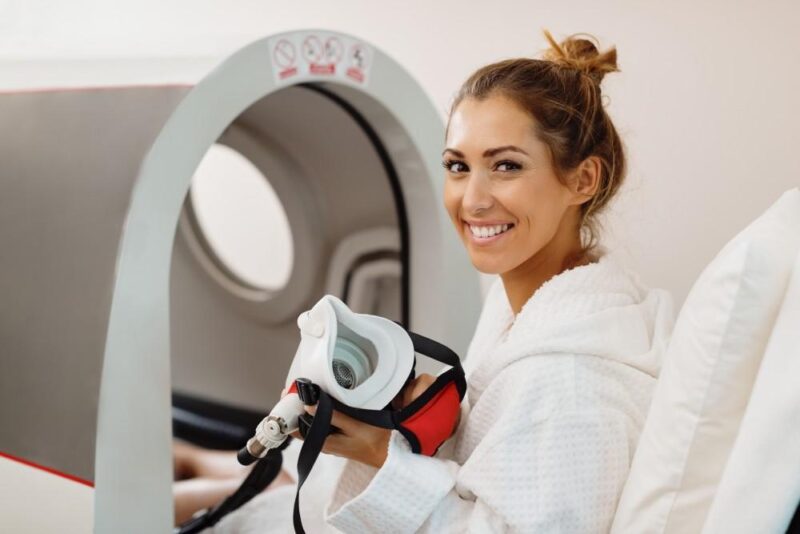
People look to HBOT for many reasons, and one of the fastest growing adoption groups includes users who want consistent recovery support rather than treatment for a single condition. This includes athletes, post surgical patients, individuals managing chronic inflammation and people recovering from long illnesses.
Growing interest in tech enabled wellness has made HBOT easier to access in major metro areas, where boutique centers and advanced medical facilities coexist. People searching for HBOT treatment in LA often look for therapy environments that blend clinical standards with comfort. This type of setting offers structured guidance while maintaining the kind of experience oriented approach common in Los Angeles wellness culture.
Hyperbaric Oxygen Chambers As Health Tech: How They Work And Who Uses Them
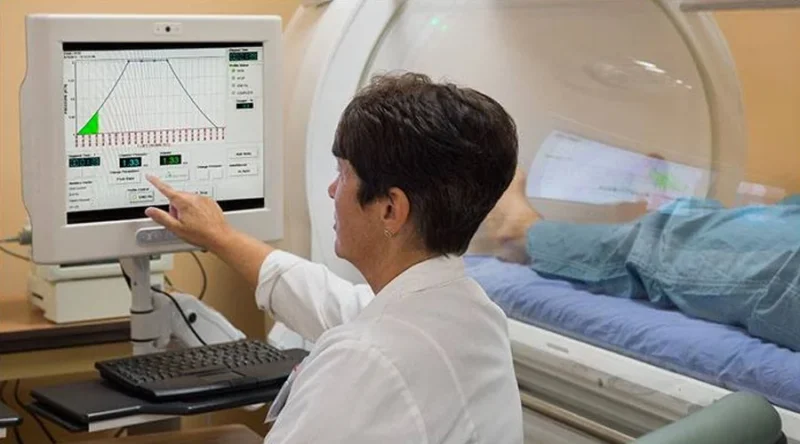
Hyperbaric oxygen chambers have become one of the standout devices in the growing health technology sector. They combine engineered pressure systems, controlled oxygen delivery and digital monitoring tools to create an environment that supports tissue recovery and metabolic performance.
What used to be limited to hospital basements is now entering wellness facilities, sports labs and consumer focused recovery centers. People exploring this topic usually want to understand the mechanics behind the technology and what type of users benefit from controlled pressurization.
The appeal sits at the intersection of engineering and biology. When oxygen behavior changes under higher pressure, the body responds in measurable ways that researchers and device makers continue to refine.
How Hyperbaric Oxygen Systems Work On a Technical Level
Modern hyperbaric chambers operate as sealed environments where internal pressure rises above normal atmospheric conditions. This pressure increase allows oxygen to dissolve into plasma at higher concentrations, which improves tissue saturation far beyond what standard breathing can achieve. Therapeutic pressures typically range between 1.5 and 2.5 ATA.
Hardware, Controls and Oxygen Dynamics
Today’s HBOT units rely on a blend of mechanical engineering and medical grade monitoring. The chamber walls hold consistent pressure, while integrated sensors track oxygen purity, airflow and internal temperature.
Users experience a steady pressurization phase followed by controlled oxygen exposure. The rise in dissolved oxygen affects mitochondrial activity, tissue perfusion and healing processes. Clinics often choose systems with real time data displays, allowing technicians to adjust session parameters based on the user’s response.
This engineering driven design explains why HBOT has migrated from a single purpose clinical tool to a multipurpose health tech platform.
Who Adopts Hyperbaric Technology in 2025
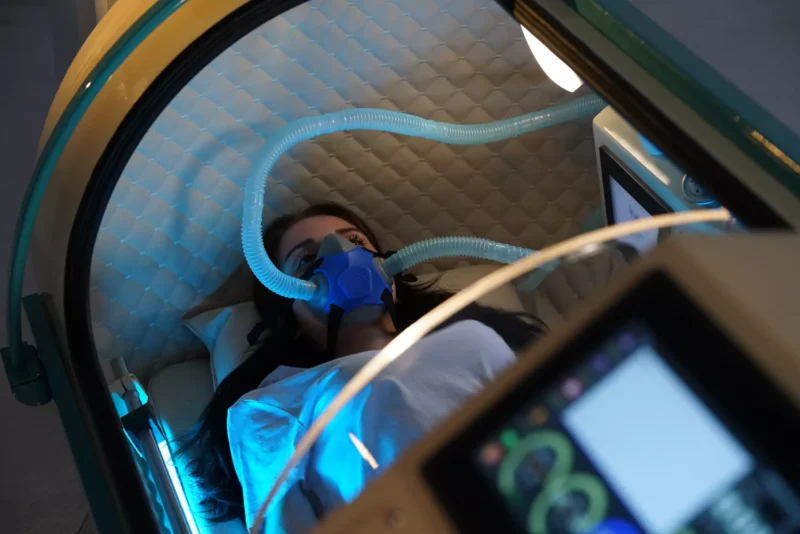
Adoption is expanding due to the shift toward personalized recovery tech. Athletes, postoperative patients, people managing chronic inflammation and wellness focused users all seek reliable tools that enhance cellular oxygen availability. In cities with strong wellness and performance cultures, the demand is especially visible. People looking for HBOT treatment in LA often search for environments where advanced chamber design meets patient centered protocols. Services align with this trend by pairing hardware precision with structured guidance, creating a setting that appeals to users who want both comfort and measurable outcomes.
Key User Segments
Below is a simplified overview of the main HBOT technology adopters and how they engage with the therapy.
- High performance athletes rely on chambers for accelerated recovery after intense training cycles.
- People recovering from surgery use HBOT to support circulation and reduce inflammation during the healing phase.
- Individuals navigating long viral recovery phases incorporate sessions to support energy and cognitive clarity.
- Wellness users integrate HBOT into longevity routines that emphasize oxygen driven cellular repair.
- Tech driven recovery centers adopt chambers as part of multi device ecosystems featuring cryotherapy, light therapy and metabolic tracking.
These groups reflect the shift toward engineered recovery solutions instead of symptom focused tools.
Understanding Pressure Through a Tech Lens
The defining technical feature of HBOT is the pressure variable. Increasing atmospheric pressure inside a sealed chamber changes how oxygen diffuses into blood plasma. Below is a table that highlights common therapeutic pressure ranges and their typical applications. Data aligns with UHMS guidelines and core respiratory physiology principles.
| Pressure Level (ATA) | Technical Function | Typical Integration |
| 1.0 | Standard environmental pressure | Baseline conditions |
| 1.3 to 1.5 | Mild increase in dissolved oxygen | Wellness and light recovery |
| 2.0 to 2.4 | Significant oxygen diffusion into hypoxic tissue | Medical HBOT environments |
| 2.5 | Maximum level used for approved indications | Severe or chronic medical cases |
How to read this:
The higher the ATA value, the more oxygen dissolves into plasma. Health tech centers typically use lower pressure systems for routine recovery and reserve higher pressure protocols for medically supervised conditions. The engineering challenge lies in maintaining structural integrity, smooth pressurization curves and stable oxygen flow.
Clinically Approved Uses and Verified Safety Information
Medical use of HBOT is grounded in clear indications. The Undersea and Hyperbaric Medical Society lists approved applications such as radiation tissue injury, diabetic foot ulcers, chronic non healing wounds, carbon monoxide poisoning and decompression sickness.
FDA guidance outlines expected risks, including barotrauma and temporary vision changes, emphasizing the importance of proper screening and chamber management.
These approvals highlight where HBOT fits within regulated medical practice. In these settings, chambers run at higher pressures, technicians follow strict protocols and monitoring equipment ensures consistent oxygen delivery. While the consumer wellness market expands, medically supervised HBOT remains the benchmark for high pressure applications.
Elevated tissue oxygen supports immune cell performance, which explains why HBOT is utilized in certain conditions involving chronic inflammation or impaired circulation.
HBOT as Part of Modern Recovery and Longevity Tech
Hyperbaric oxygen chambers now sit alongside wearable biometric trackers, infrared systems, cryotherapy units and metabolic devices in the evolving recovery tech ecosystem. Clients use HBOT to support sleep quality, cognitive performance and general restoration.
Unlike passive recovery tools, chambers allow direct control over oxygen tension, which influences cellular energy production. The HBOT device market continues to grow due to rising adoption of mild pressure chambers and outpatient recovery facilities.
This shift reflects a broader tech culture trend. Users want quantifiable, hardware driven methods that enhance resilience and long term health. HBOT fits that model because its mechanism is well understood, its equipment is standardized and its results can be observed through both subjective and physiological markers.
Safety, User Screening and Operational Protocols
Safety considerations remain an important part of HBOT integration. Technicians monitor pressure equalization, oxygen purity and chamber temperature while screening users for sinus issues, unmanaged lung conditions or ear problems. FDA documentation states that the main risks include barotrauma and reversible vision shifts, both mitigated through controlled pressurization and proper user preparation. Facilities with modern equipment rely heavily on digital readouts and automated pressure curves that maintain consistent internal conditions while reducing operator error. The combination of hardware reliability and protocol standardization is what makes HBOT scalable for both medical and consumer applications.
Did you know? Hyperbaric environments can raise plasma oxygen concentration several times above normal, which supports oxygen delivery in areas with compromised microcirculation.
Is HBOT Worth Including in a Tech Driven Health Routine
People evaluating HBOT from a technology perspective often look at measurable outcomes, hardware consistency and how sessions integrate with existing recovery tools.
Someone with a chronic wound may rely on high pressure medical protocols, while a person focused on performance and longevity might choose mild pressure sessions alongside strength training, sleep tracking and metabolic interventions.
HBOT is most effective when matched to specific goals. The technology supports biological processes by elevating oxygen availability, but real results depend on frequency, proper screening and well guided session plans. Like other health tech devices, HBOT works best when used as part of a structured ecosystem rather than a standalone fix.